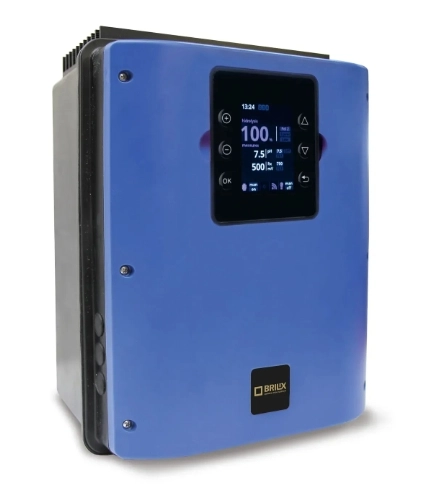
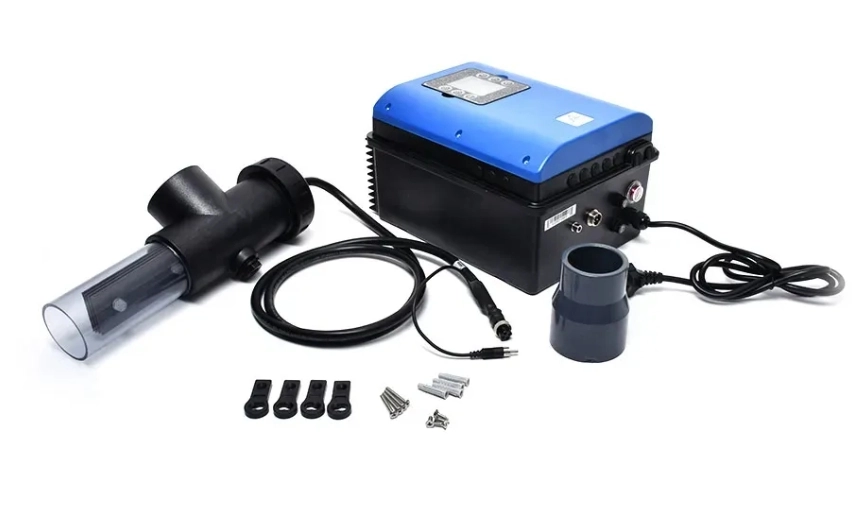
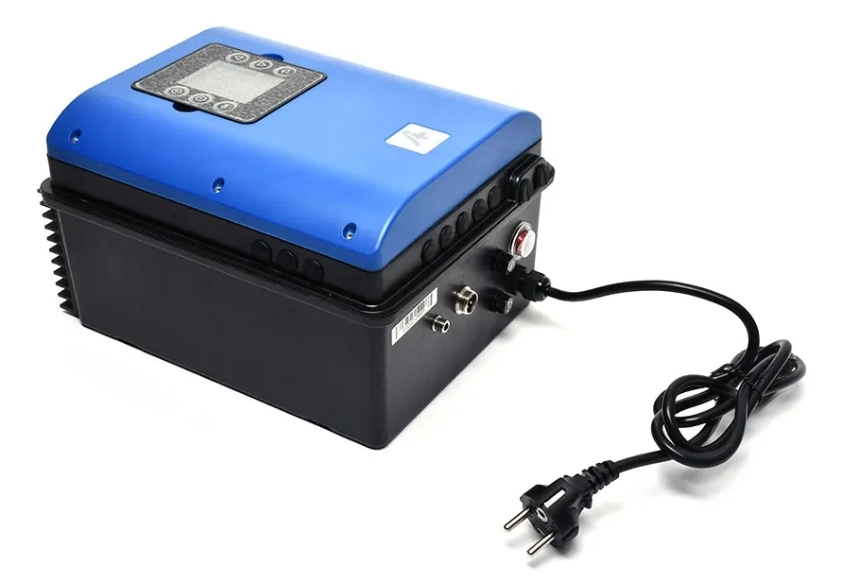
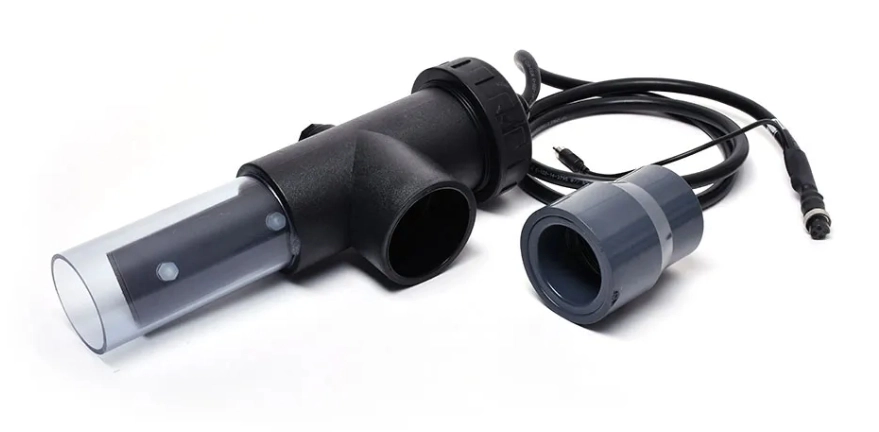
The advantage of this salt chlorinator is its low operating costs, easy installation, and convenient connection to the filtration system or pump. It eliminates chlorine odor from the water and has antiseptic effects. A pH doser cannot be added to this salt chlorinator. It does not include a pH control unit.
Using salt water treatment does not produce any harmful substances such as heavy metals, and the entire cleaning process is highly environmentally friendly.
During the water treatment process, no harmful substances such as heavy metals are created, and the entire process is gentle not only on human skin but also on the environment.
Advantages of Salt Water Treatment
Does not dry out the skin
Suitable for people with sensitive skin
Low operating costs
Crystal-clear water without chlorine odor
No handling or storage of chlorine required
Eco-friendly system – salt is a natural product
Mildly salty seawater with antiseptic effects
Can Salt Water Treatment Be Installed in an Existing Pool?
The NEOSAL salt water treatment system can also be easily installed in existing pools. However, it is important to ensure that all pool components (ladder, heat exchanger, electric heater) are made either of plastic or titanium.
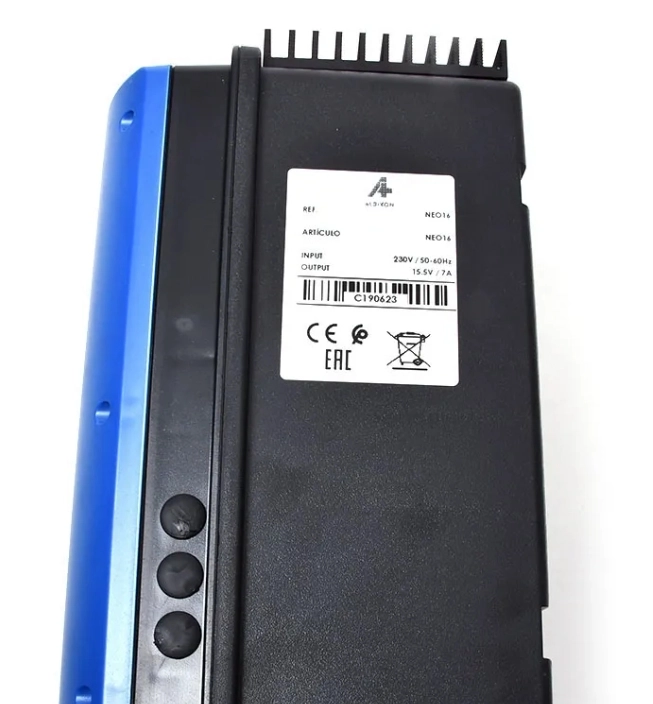
Technical Specifications of the Salt Chlorinator
By means of low-voltage electric current, gaseous chlorine is generated inside the electrolytic cell installed in the pool circulation system. The chlorine is immediately dissolved in the water, creating hypochlorous acid, which is the primary disinfectant for pool water. During the electrolysis process, other effective sanitizing agents such as ozone and oxygen are also produced.
For proper operation of the system, pool salt must be dissolved in the water at a ratio of 5–6 kg of salt per 1,000 liters (1 m³) of water. This creates a salinity level of approximately 0.4–0.5%. (For comparison, standard seawater salinity is approximately 3.5%.)
The device operates only when the pool filtration system is running.
Is Salt Corrosive?
Water treated with salt water technology is only mildly corrosive, as the salinity level is only around 0.4–0.5%. To use this system in your pool, make sure that all components are made of titanium or plastic. Standard stainless steel (AISI 304) may gradually corrode over time.

 CZ
CZ SK
SK EN
EN DE
DE Login
Login


 FREE SHIPPING
 Návod solnička


